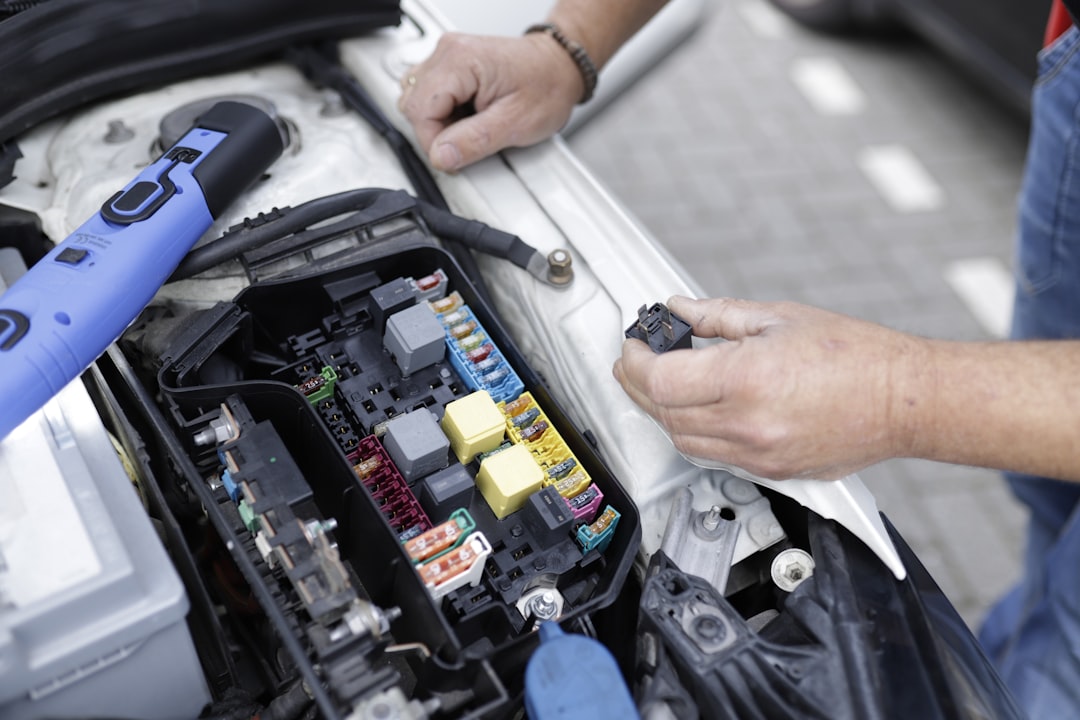
When you're in Melbourne, swapping car titles isn't a walk in the park. You need a Roadworthy Certificate (RWC), and that's non-negotiable. Here's the deal: without an RWC, the VicRoads folks won't even glance at your transfer application. Why? It's their way of ensuring the car's safe for road use. Safety first, after all.
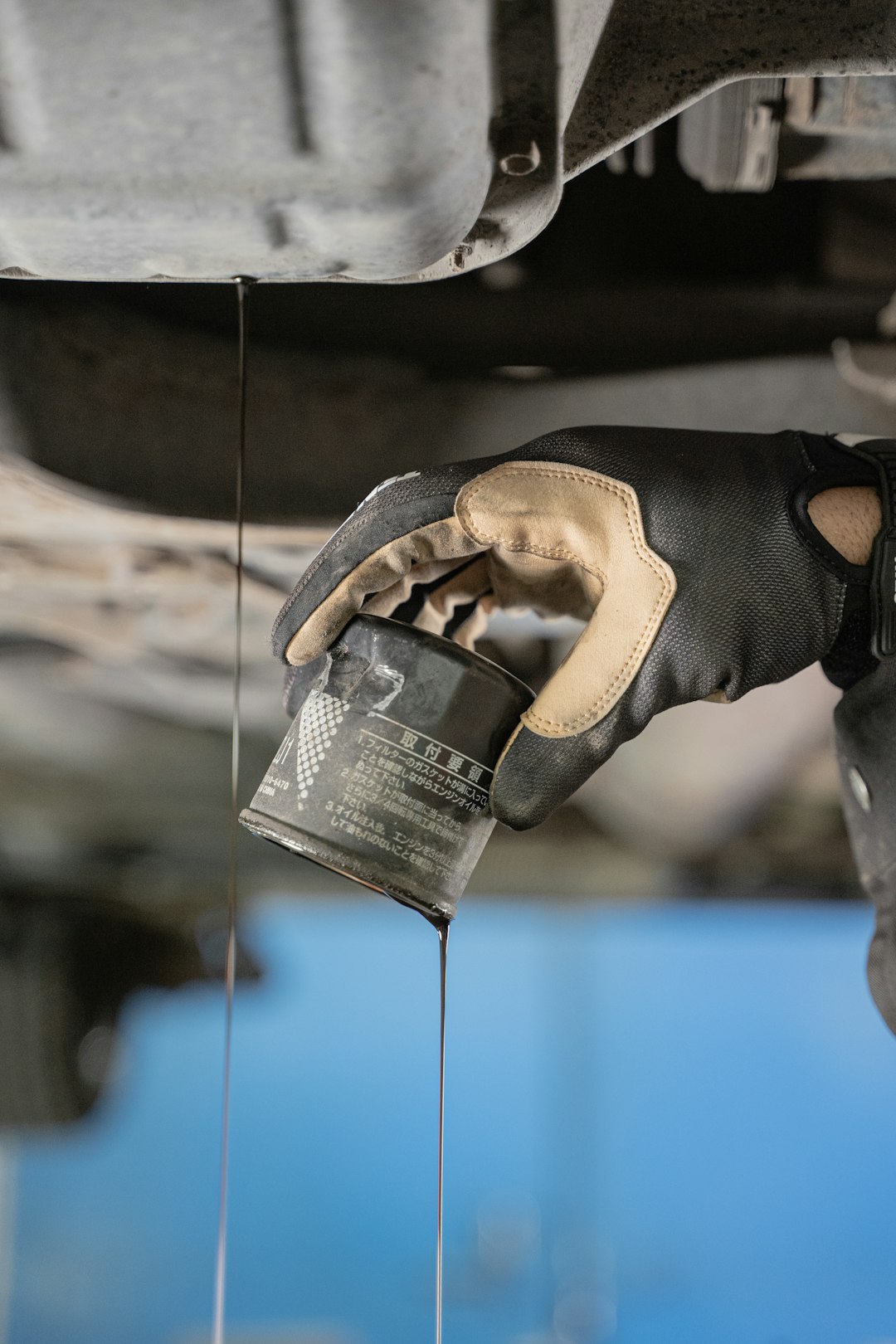
Now, if you're selling privately, buying second-hand, or just shuffling names on the registration papers, this RWC thing is key. And timing? It's everything. You've got 30 days from the transaction to sort it out, or you're in for a headache.
Workshops around Melbourne get this. They're geared up to help you navigate these murky waters with less fuss. They'll check your car against the Victorian safety standards, and if it passes, you get the golden ticket – your RWC. But if it fails, you're looking at repairs and a re-test.
What happens if you slack off? You could end up with a car you can't legally drive or sell. Imagine the hassle. And with every Tom, Dick, and Harriet trying to get their RWC sorted, finding a licensed tester quickly becomes a race against time.
Looking for a trusted car mechanic in Clayton for a | You can learn more about | Drivers looking for roadworthy certificate Clayton through the Ultra Tune Clayton Clayton workshop page where you can find details about car servicing and vehicle checks..So, when you're hunting for a workshop, think location, think swift service. Don't just go for the first name that pops up on Google. Do your homework. Check reviews. Ask around. After all, it's not just about getting that certificate; it's about keeping your car on the road and your life moving smoothly.
When you're in the thick of transferring car ownership in Melbourne, the Roadworthy Certificate (RWC) isn't just another piece of paper—it's the linchpin. It's about legality, sure. But more than that, it's about peace of mind. Without it, your vehicle's registration transfer is like a car without wheels—not going anywhere.
Here's the deal: an RWC confirms your car meets the minimum safety standards. Workshops across Melbourne can help you with this, handling the gritty details of the inspection. They check things like tyres, brakes, lights—you know, the parts that keep you safe on the road. If your car doesn't pass muster, you'll know exactly what to fix. And once it's up to scratch, the workshop issues the certificate. It's a green light for the transfer process.
Key Points to Remember About RWC:
Now, if you're selling privately, buyers will want to see that RWC. It reassures them they're not buying a lemon. Buyers, on the flip side, might request a pre-purchase RWC check. Makes sense. It's about knowing what you're getting into.
Timing is everything. If you're transferring registration in Victoria, you've got a 30-day window to provide that RWC to the new owner. Leave it too late, and you could be in a bind. And let's not forget the licensed testers. You'll need one of them to inspect your car and issue the certificate. They're not hard to find, but you'll want one nearby and ready to go when you are.
Mistakes? They happen. The common one is thinking you can slide by without an RWC. Bad move. That's when sales fall through, or worse, you end up on the wrong side of the law. So, get it sorted. It's not just about ticking a box—it's about making sure the handover is smooth, legal, and hassle-free.
When you're on the hunt for a vehicle tester, their license is non-negotiable. In Melbourne, only a licensed vehicle tester can issue a valid Roadworthy Certificate (RWC). This isn't just a formality; it's about safety and legality. Check the VicRoads website or ask for their license number and verify it. You're not just looking for a stamp of approval, you're ensuring the car meets minimum safety standards. This matters. It's not just red tape.
Time isn't just ticking; it's racing. Especially when you're looking to buy or sell a car, or transfer its registration. You need that RWC pronto. Look for a tester who understands urgency. Some might offer same-day services. Call ahead, ask about wait times. Don't let a slow tester be the bottleneck. Remember, a quick service shouldn't cut corners on safety. It's a balance, and it's critical.
Costs can spiral if you're not careful. Before you commit to a vehicle tester, get a clear quote. No one likes surprises when it comes to fees. Some testers might offer a fixed price; others may charge based on the vehicle's condition or age. Understand what you're paying for. If it's too cheap, be wary. If it's expensive, ask why. This is about value, not just the lowest dollar figure.
Location matters. A lot. You want a tester nearby, especially if you're juggling schedules or facing an urgent transfer. A local tester means less travel time and more convenience. But don't sacrifice quality for proximity. A good tester is worth a bit of a drive. And sometimes, they might even offer mobile inspections. That's a bonus. It's about striking the right balance between convenience and expertise.
Finally, what are others saying? Reviews can be revealing. Look for testimonials from customers who were in a similar bind. Needed an RWC fast. Had a tight budget. Wanted a thorough check. Don't just skim the stars; read the stories. A reputable tester will have a trail of satisfied customers. If reviews are scarce or mixed, proceed with caution. It's about trust, which is earned, not given.
Getting your car through a Roadworthy Certificate (RWC) inspection in Melbourne can be a hassle, but it's a step you can't skip. It's crucial. Especially if you're in the business of selling your car or transferring ownership. Here's the deal: a clean bill of health for your car, in the form of an RWC, reassures buyers and is a legal must-have for the transfer process.
First up, check your lights. All of them. Brake lights, headlights, indicators. Even that tiny little number plate bulb. They should all be working, no exceptions. If they're not, it's an instant fail. Brakes are next on the list. They need to be responsive, not spongy, and definitely not making any strange noises. And tyres, they've got to have at least 1.6mm of tread across the entire surface – it's a safety thing.
Now, don't forget the windscreen. Cracks or chips in the driver's line of sight? That's a red flag. Get it sorted before the inspection. The same goes for seatbelts – they should retract by themselves and not be frayed or damaged.
Paperwork, make sure it's in order. Service records, proof of ownership, identification – the workshop will need these to help with the administrative side of things. They're your allies in this, after all. They understand the nitty-gritty of the process and can save you time by ensuring everything's squared away.
Lastly, don't leave it till the last minute. Urgency often leads to oversights. Book an inspection in advance. Give yourself time to fix any issues that might crop up. And remember, if you don't pass, you'll need to correct the faults and go back for another inspection. It's your responsibility to present a vehicle that's up to par. It's not just about ticking a box; it's about ensuring the car is safe for the next owner.
When you're in Melbourne and looking to buy a car, the last thing you want is to be tripped up by registration transfer hitches. It's crucial. Get a pre-purchase Roadworthy Certificate (RWC) check. This isn't just a tick-box exercise; it's about safety, legality, and peace of mind.
Why does it matter? Well, no RWC, no registration transfer. Simple as that. Here's the deal: in Victoria, sellers must provide a current RWC before the sale. If you're a buyer, this is your safety net. It tells you the vehicle meets minimum safety standards. But don't just take any RWC at face value. Make sure it's recent because a lot can happen to a car in a short time.
Timing is everything. If you're selling, lining up that RWC is a must-do before you even list the car. Buyers, on the other hand, should request to see the RWC early on. If it's outdated or missing, wave a red flag. You could be looking at extra costs or worse, a car that's not roadworthy.
How's it done? You'll need a licensed vehicle tester. They're not hard to find, but don't just rock up to any workshop. Look for one with solid reviews and a reputation for thorough checks. The process isn't just a cursory glance over the car; it's detailed, it's thorough, and it's there to uncover any issues that could compromise the vehicle's safety.
Common mistakes to avoid? Assuming all is well if a car looks good on the surface. Big mistake. Underlying issues often lurk unseen. Another blunder is skipping the RWC check for a quick sale or purchase. Rush now and you might regret it later when you're facing fines or, heaven forbid, an unsafe vehicle.
And if you don't do it right? Well, you can't transfer the registration. You're stuck with a car you can't legally drive. Or worse, you're responsible for any faults that lead to accidents. It's not just about ticking a box; it's about doing it right. Because, at the end of the day, it's all about getting behind the wheel with confidence.
When you're in Melbourne and need to transfer your car's registration, there’s a bunch of paperwork you can't escape. First up, you need a Roadworthy Certificate (RWC). This isn't just a formality; it's the law. Workshops around here can help you get one, and it’s a big deal because it proves your car's fit to be on the road. Without it, no transfer.
Then there's proof of identity. We're talking about your driver's license, passport, or any government-issued ID that says you're you. And don’t forget the Vehicle Transfer Form. That's where you and the buyer or seller put down your signatures to seal the deal. Mess this up, and you're in for delays.
Key Points to Remember:
Here's the thing, though: workshops that offer registration support services know their stuff. They'll tell you exactly what papers you need and when to have them ready. They're on top of the game, especially if you're selling your car privately or if you're buying and want to check the car’s condition before you commit.
For those transferring ownership, you don't want to miss a beat. If you do, you could end up with fines or, worse, a sale that falls through. And if you're after a licensed tester, these workshops are where you need to be. They've got the know-how to inspect your car and issue that all-important RWC.
Timing is everything. Do it too late, and you'll be sweating bullets. Too early, and you might have wasted effort if the sale doesn't go through. Aim for that sweet spot when you've got a buyer lined up or you're sure about the purchase.
Remember, no RWC, no transfer. No ID, no proof. No form, no signature. Keep it simple, get the papers sorted, and you'll sail through the registration transfer like it's nothing. Just another day in Melbourne, right?
When you're transferring vehicle registration in Melbourne, time is of the essence. Delays? They're more than just a nuisance. They're the unwelcome gatecrashers in your car selling or buying party. Let's cut to the chase. You need a Roadworthy Certificate (RWC), and you need it yesterday. This little document proves your car is fit for the roads and is non-negotiable in the registration transfer dance.
Here's where things get sticky. Missed details, incorrect information, or an elusive mechanic can throw a spanner in the works. It's not just about ticking boxes; it's about ticking the right ones. For sellers, ensuring your vehicle is up to snuff before listing it can save you from the back-and-forth with potential buyers. And let's be real, nobody wants their car to be the reason a sale falls through.
Buyers, on the other hand, you're in a different boat. A pre-purchase RWC check isn't just peace of mind; it's your shield. It's what stands between you and a lemon. As for the actual transfer, every 'i' dotted and 't' crossed on that paperwork matters. The last thing you want is to be caught in the bureaucratic limbo because of a missed signature or an outdated address.
Now, imagine a guide through this maze. Workshops that specialize in RWCs are like the trusty sidekick you didn't know you needed. They know the ins and outs of the inspection criteria and have the official nod to issue the certificates. They're clued up on the common hiccups that can delay a transfer and are ready to help you avoid them.
So, if you're after a licensed tester who can inspect and issue the certificate without the runaround, it pays to do your homework. Find one with solid reviews and the know-how to get it done efficiently. Remember, in the world of registration transfers, it's not just about crossing the finish line – it's about how smoothly you get there.
Transferring your vehicle registration in Melbourne isn't just a matter of signing on the dotted line and handing over the keys. There's a financial side to it. You've got costs to consider. Let's break it down, so your wallet knows what's coming.
First up, the Roadworthy Certificate (RWC). It's essential. Without it, no transfer. If you're selling or buying, or even just gifting your car to a family member, you need this certificate. Think of it as a green light that says your vehicle is safe for the roads. Prices for RWC testing can vary, but you're looking at anywhere from $100 to $300. Shop around. Some places might offer you a deal, but remember, cheap doesn't always mean good.
Now, the actual transfer fee. That's the bit that goes to VicRoads, and it's non-negotiable. As of now, it's $39.70 for the transfer application fee. But wait, there's stamp duty too. This will hit differently based on the value of your vehicle. The more your car is worth, the more you pay. It's a percentage game. For a car valued at $20,000, you're paying $600 in stamp duty.
Workshops that specialize in these transfers can be lifesavers. They know the forms, the process, and they'll keep you from tripping up on the little things that can slow you down or cost you more. They're in the business of getting you through the RWC and transfer maze, and they're good at it. They'll charge for their services, sure, but time is money, friend.
Remember, timing is key. Get your RWC close to when you plan to sell or transfer. It's only valid for 30 days. After that, it's back to square one, and more fees. So, plan it right.
Mistakes? They happen. Forgetting to notify VicRoads within 14 days of the transfer will slap you with a fine. Not a great way to start your new car relationship.
In short, keep your eyes open. Know the costs. Use the help that's out there. And get it done right. Your bank account and your peace of mind will thank you.
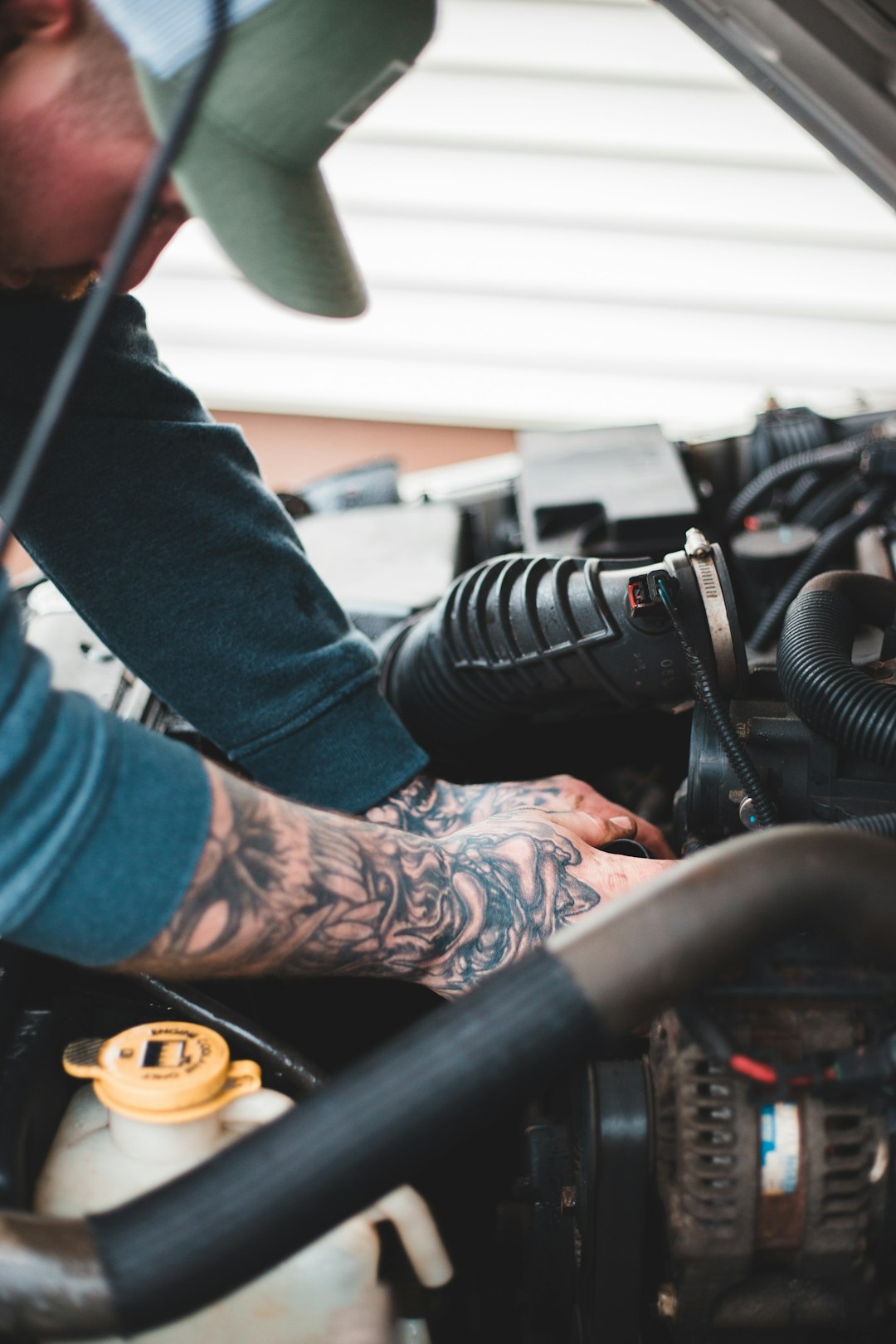
When you're tangled up in the web of vehicle registration transfer in Melbourne, you need a solid workshop to untangle the knots. Look for a place that knows the ins and outs of the VicRoads processes like the back of their hand. They should be able to guide you through every step, paperwork included, without you having to decipher jargon.
Why does this matter? Because time is precious, and so is your sanity. A professional workshop will handle the administrative circus, so you don't have to. They're the ones who'll ensure you have all the necessary documents and that they're filled out correctly. No room for error here. If you mess up, you might just see the sale of your car stall, or worse, fall through.
Key Considerations for Vehicle Registration Transfer:
The right workshop will be a licensed vehicle tester, too. This is non-negotiable. They're the gatekeepers to your Roadworthy Certificate (RWC), and without that, you're pretty much stuck. This certificate is a must-have for sellers in Victoria. Buyers, you're in this too. An RWC gives you a snapshot of the car's health before you commit.
Car owners in Melbourne, listen up. Whether you're selling, buying, or transferring your car's registration, you need a workshop that can do a quick yet thorough inspection. They need to pinpoint potential deal-breakers and give you a fair assessment. And they better be nearby. You don't have the luxury to trek across town for this.
Remember, the clock's ticking. The longer you wait, the more you risk delays or complications. Get your RWC sorted, and you're golden. Skip it, and brace yourself for a headache. Choose a workshop that's got your back, knows their stuff, and won't leave you hanging. It's not just about getting it done; it's about getting it done right.
When you're selling or buying a car in Melbourne, you're not just handing over keys. You're transferring legal documents, too. It's serious business. Both parties—buyer and seller—have legal responsibilities to make sure this goes smoothly. It's not just about compliance with Victorian laws; it's about protecting yourself, avoiding fines, or even a potential court date.
Here's the deal: sellers must provide a valid Roadworthy Certificate (RWC) when selling a vehicle. This isn't just a piece of paper; it's proof that your car is safe to be on the road. The RWC needs to be issued by a licensed vehicle tester, and in Melbourne, there are workshops that can help you get this sorted quickly. They know you're probably not keen on waiting around.
For buyers, it's about doing your homework. Ensure the seller has provided a current RWC. If you're thinking of buying, you might even opt for a pre-purchase RWC check. It's like a health check for your soon-to-be car. Trust me, it's worth it.
Now, when you're transferring registration, timing is crucial. You've got 14 days from the purchase date to submit a transfer of registration form to VicRoads. Miss that window, and you could be staring down the barrel of a penalty.
Key Points to Remember:
Don't forget, if you're the seller, you need to tell VicRoads you've sold the vehicle. You can't just wash your hands of it and walk away. And buyers, you'll want to make sure the seller does this, or guess what? Any fines or tolls before you officially take over could end up on your plate.
It's a lot, right? But some workshops in Melbourne specialize in guiding you through this maze. They're the ones with the know-how to ensure you're ticking all the legal boxes without tearing your hair out. They get it. You want this done fast, without hassle, and with the peace of mind that you're not going to hit a snag that'll cost you more than just time.
 |
This article includes a list of general references, but it lacks sufficient corresponding inline citations. (January 2023)
|

An auto mechanic of Sam's Club service garage
|
|
| Occupation | |
|---|---|
| Names | Auto mechanic |
|
Occupation type
|
Skilled trades |
|
Activity sectors
|
Automobile |
| Description | |
|
Education required
|
Apprenticeship, in addition to training once hired; some mechanics may take vocational or community college courses in certain areas such as heating and air conditioning, engine and transmission maintenance, and collision repair; further education and training could lead to becoming a supervisor or manager, or with a baccalaureate or graduate degree, an automotive engineer or design specialist. |
|
Related jobs
|
Motorcycle mechanic, Diesel mechanic |


An auto mechanic[1] is a mechanic who services and repairs automobiles, sometimes specializing in one or more automobile brands or sometimes working with any brand. In fixing cars, their main role is to diagnose and repair the problem accurately.[1] Seasoned auto repair shops start with a (Digital) Inspection to determine the vehicle conditions, independent of the customers concern. Based on the concern, the inspection results and preventative maintenance needs, the mechanic/technician returns the findings to the service advisor who then gets approval for any or all of the proposed work. The approved work will be assigned to the mechanic on a work order. Their work may involve the repair of a specific part or the replacement of one or more parts as assemblies. Basic vehicle maintenance is a fundamental part of a mechanic's work in modern industrialized countries, while in others they are only consulted when a vehicle is already showing signs of malfunction.
Automotive repair knowledge can be derived from on-the-job training, an apprenticeship program, vocational school or college.
Apprentice mechanics work under master mechanics for a specified number of years before they work on their own. Some areas have formal apprenticeship programs, however many automotive repair shops utilize an informal apprenticeship system within their facilities. A master mechanic is often encouraged to train an apprentice by earning additional wages from the work produced by the apprentice.[2]
In the United States, many programs and schools offer training for those interested in pursuing competencies as automotive mechanics or technicians. Areas of training include automobile repair and maintenance, collision repair, painting and restoring, electronics, air-conditioning and heating systems, and truck and diesel mechanics. The National Automotive Technicians Education Foundation (NATEF) is responsible for evaluating training programs against standards developed by the automotive industry. NATEF accredits programs in four different categories: automotive, collision, trucks (diesel technology) and alternative fuels. Diesel mechanics have developed into a trade somewhat distinctive from gasoline-engine mechanics. NATEF lists secondary and post secondary schools with accredited programs on their website.
It is common for automotive repair companies to assign skill levels to their employed professionals so that each repair can be appropriately matched to a qualified professional. Some use an alphabetical ranking system whereby an upper-level is referred to as an "A tech" and a lower-level as a "C tech." Diagnosis and drivability concerns tend to be upper-level jobs while maintenance and component replacement are lower-level jobs. A professional's skill level is usually determined by years of experience and certifications:
A vehicle's Original Equipment Manufacturer (OEM) often provides and requires additional training as part of the dealership franchise agreement. In doing so, professionals become specialized and certified for that particular vehicle make.[2] Some vocational schools or colleges offer manufacturer training programs with certain vehicle brands including BMW, Ford, GM, Mercedes-Benz, Mopar, Porsche, Toyota and Volvo which can provide a professional with OEM training before entering the dealership environment. These types of programs may be paid for by a student with no obligation, or by the manufacturer with a contract that requires a professional to work for the OEM for a designated amount of time upon graduating.[3] An OEM usually has multiple professional skill levels that can be achieved, but the Master status is typically one of them.
The United States Environmental Protection Agency (EPA) requires any person who repairs or services a motor vehicle air conditioning system for payment or bartering to be properly trained and certified under section 609 of the Clear Air Act. To be certified, professionals must be trained by an EPA-approved program and pass a test demonstrating their knowledge in these areas. This certification does not expire.[4]
An auto body technician repairs the exterior of a vehicle, primarily bodywork and paintwork. This includes repairing minor damages such as scratches, scuffs and dents, as well as major damage caused by vehicle collisions.[2] Some specialized auto body technicians may also offer paintless dent repair, glass replacement and chassis straightening.
An auto glass repairs chips, cracks and shattered glass in windshields, quarter glass, side windows and rear glass. Glass damage is often caused by hail, stones, wild animals, fallen trees, automobile theft and vandalism. Depending on the type and severity of the damage, an auto glass may either repair or replace the affected glass.
A diesel mechanic repairs diesel engines, often found in trucks and heavy equipment.[5]
An exhaust system specialist performs repairs to the engine exhaust system. These mechanics utilize large tubing benders and welders to fabricate a new exhaust system out of otherwise straight lengths of pipe.[2]
A fleet mechanic maintains a particular group of vehicles called a fleet. Common examples of a fleet include taxi cabs, police cars, mail trucks and rental vehicles. Similar to a lubrication professional, a fleet mechanic focuses primarily on preventative maintenance and safety inspections, and will often outsource larger or more complex repairs to another repair facility.[2]
A general repair professional diagnoses and repairs electrical and mechanical vehicle systems including (but not limited to) brakes, driveline, starting, charging, lighting, engine, HVAC, supplemental restraints, suspension and transmission systems. Some general repair professionals are only capable or certified for select systems, while master professionals (generally speaking) are capable or certified across all vehicle systems.
A heavy line mechanic performs major mechanical repairs such as engine or transmission replacement. Some heavy line mechanics also perform overhaul procedures for these components.
A lubrication professional, often shortened to lube tech, is an entry-level position that focuses on basic preventive maintenance services rather than repairs. The tasks that can be performed are typically limited to automotive fluid, filter, belt, hose replacement and often times tire maintenance.[2] Lube techs are employed by nearly every type of automotive repair shop, however, they are most prevalent in quick lube or express service shops because they lower business overhead resulting in a less expensive service as compared to traditional automotive workshops.[6]
A mobile professional performs most of the same repairs as a general repair professional, except does so at the customer's location rather than inside a brick and mortar facility.[citation needed]
A pit crew mechanic performs an assigned maintenance or repair task to a racecar during a pit stop along a racetrack. Pit crew jobs include raising and lowering the vehicle with a jack, filling the car with gasoline, changing the tires, and cleaning the windshield.[7] Although these are basic tasks, they must be performed in an extremely quick and accurate fashion.
The auto mechanic has a physically demanding job, often exposed to loud noises,[8] equipment, slippery surfaces, vehicle parts, tools, falling objects, fires, explosions, and more.[9] Musculoskeletal disorders are common for mechanics[10] because of the manual handling[11] and awkward positions required for the occupation. Cuts and piercings are the most frequent injury types and the upper body and hand are the most common body regions for discomfort.[12] Government organizations have developed industry standards to reduce mechanics’ risk of physical hazards. The Occupational Safety and Health Administration's general standards address the physical hazards that may appear in workplace settings and how to avoid them properly.[13] The United Kingdom’s Health and Safety Executive has also published a detailed book for health and safety in motor vehicle repair.[14] These resources emphasize the importance of PPE (personal protective equipment), manual handling devices, and a clean workplace for reducing the risk of physical harm.
Auto mechanics may also deal with exposure to toxic chemicals and materials. Common chemical and material exposures for auto mechanics can include engine exhaust, solvents, dust as a result of sanding or abrasive blasting, spray from paints, cleaning products, and asbestos from brake and clutch repair.[15] As a result of these exposures, auto mechanics can face increased risks for developing mesothelioma, bladder, digestive, lung, and pancreatic cancers, as well as heart disease and other cardiovascular disorders.[16] There are a number of methods for reducing the exposure of auto mechanics to these harmful chemicals and materials. Proper knowledge and use of PPE can reduce exposure, and it is critical that auto mechanics receive workplace training that emphasizes the importance of PPE.[17] Workplaces with auto mechanics should also create a hazard communication program in order to protect their employees from chemical exposures. Additionally, auto mechanic workplaces should have regular testing done in order to ensure that there is both proper ventilation and that air contaminant levels are safe and conducive to reducing overall worker exposure.[18] Respirators can be utilized to reduce exposure from paint spray, and high volume low pressure paint guns should be used in conjunction with downdraft ventilation. This is critical, as paint exposure can lead to nervous disorders, skin and eye irritation, asthma, and a reduction in lung function.[19] Similarly, exposure to dust from sanding can be effectively reduced by the use of ventilated sanders, which reduce the concentration of dust produced from sanding.[20]
With the rapid advancement in technology, the mechanic's job has evolved from purely mechanical, to include electronic technology. Because vehicles today possess complex computer and electronic systems, mechanics need to have a broader base of knowledge than in the past and must be prepared to learn these new technologies and systems.
Automotive professionals utilize many tools, equipment and reference material to perform their duties. While equipment and reference materials are typically provided by the employer, all other tools are purchased, owned, and provided by the professional.
Due to the increasingly labyrinthine nature of the technology that is now incorporated into automobiles, most automobile dealerships and independent workshops now provide sophisticated diagnostic computers to each professional, without which they would be unable to diagnose or repair a vehicle.
The internet is being applied to the field increasingly often, with mechanics providing advice on-line. Mechanics themselves now regularly use the internet for information to help them in diagnosing and/or repairing vehicles. Paper based service manuals for vehicles have become significantly less prevalent with computers that are connected to the Internet taking their position, giving quick access to a plethora of technical manuals and information.
Online appointment platforms have surged allowing customers to schedule vehicle repairs by making appointments. A newer method of mobile mechanic services has emerged where the online appointment made by a person seeking repairs turns into a dispatch call and the mechanics travel to the customers location to perform the services.[21]
A mechanic usually works from the workshop in which the (well equipped) mechanic has access to a vehicle lift to access areas that are difficult to reach when the car is on the ground. Beside the workshop bound mechanic, there are mobile mechanics like those of the UK Automobile Association (the AA) which allow the car owner to receive assistance without the car necessarily having to be brought to a garage.[22]
A mechanic may opt to engage in other careers related to his or her field. Teaching of automotive trade courses, for example, is almost entirely carried out by qualified mechanics in many countries.
There are several other trade qualifications for working on motor vehicles, including panel beater, spray painter, body builder and motorcycle mechanic. In most developed countries, these are separate trade courses, but a qualified tradesperson from one sphere can change to working as another. This usually requires that they work under another tradesperson in much the same way as an apprentice.
Auto body repair involves less work with oily and greasy parts of vehicles, but involves exposure to particulate dust from sanding bodywork and potentially toxic chemical fumes from paint and related products. Salespeople and dealers often also need to acquire an in-depth knowledge of cars, and some mechanics are successful in these roles because of their knowledge. Auto mechanics also need to stay updated with all the leading car companies as well as newly launched cars. Mechanics have to study continuously on new technology engines and their work systems.

cite journal: Cite journal requires |journal= (help)cite journal: Cite journal requires |journal= (help)
| International | |
|---|---|
| National | |
| Other | |
 |
This article needs additional citations for verification. (August 2024)
|

A mechanic at a steam pump in an electric power house, 1920, (from a photo study for the Works Progress Administration (WPA)).
|
|
| Occupation | |
|---|---|
|
Occupation type
|
Skilled trades |
|
Activity sectors
|
Repairing |
| Description | |
|
Education required
|
Apprenticeship |
|
Related jobs
|
Repairperson |
A mechanic is a skilled tradesperson who uses tools to build, maintain, or repair machinery,[1] especially engines. Formerly, the term meant any member of the handicraft trades, but by the early 20th century, it had come to mean one who works with machinery.[2]
Most mechanics specialize in a particular field, such as auto body mechanics, diesel mechanics, air conditioning and refrigeration mechanics, auto mechanics, bicycle mechanics, boiler mechanics, race car mechanics, aircraft mechanics, and other areas. There are also mobile mechanics who perform onsite work.[3]
A mechanic is typically certified by a trade association or regional government power. Mechanics may be separated into two classes based on the type of machines they work on, heavyweight and lightweight. Heavyweight work is on larger machines or heavy equipment, such as tractors, construction equipment, and trailers, while lightweight work is on smaller items, such as automobiles.


Automotive mechanics have many trades within. Some may specialize in the electrical diagnosis, while others may specialize in the mechanical aspects. Other mechanical areas include: brakes and steering, suspension, automatic or manual transmission, engine repairs, auto body repairs, or diagnosing customer complaints.
Automotive mechanics require many years of training to become licensed. Countries like Canada have a governmental certification body that tests and maintains automotive mechanics' qualifications.[7] The United States of America uses an organization that is called ASE.[8] This organization provides independent testing of an automotive mechanic's skills with over 57 different tests that can be taken.

| International | |
|---|---|
| National | |
| Other | |
